top of page

Agentic AI Operating Model

The AIDIVE Agentic AI Operating Model connects strategy, portfolio, value streams, agentic networks and teams. Design accountable human and AI work as part of a holistic enterprise transformation, with explicit authority, trusted context and working controls.

What is an agentic AI operating model?

An agentic AI operating model defines how AI-enabled work is directed, prioritised, designed, coordinated and operated. In AIDIVE, it connects five operating layers and makes delegated work accountable within approved boundaries.

Five layers. Evidence in both directions.

Direction, priorities and boundaries shape the work. Outcomes, risks, learning and capability constraints return to inform the next decision.
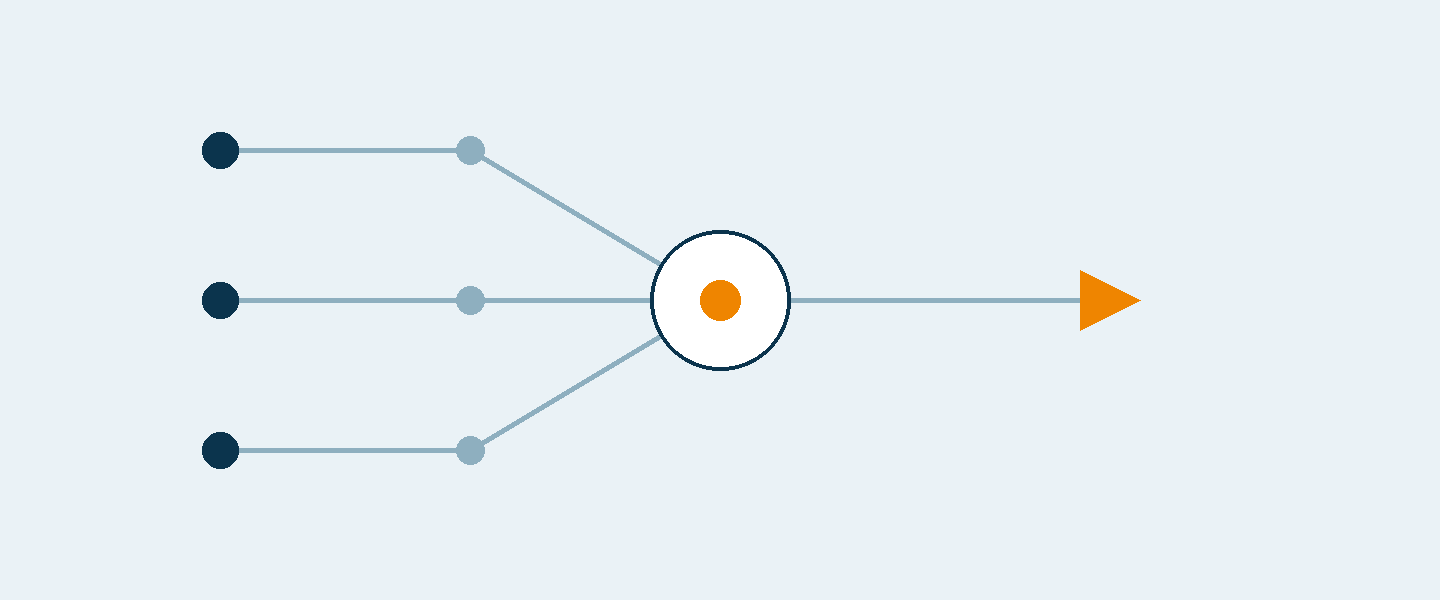
Strategy

Strategy

LAYER 01

Translate enterprise strategy into approved direction, boundaries and an operating envelope for AI.

Evidence back: Portfolio outcomes, material risk and capacity trade-offs, and adoption or capability constraints inform strategic decisions.
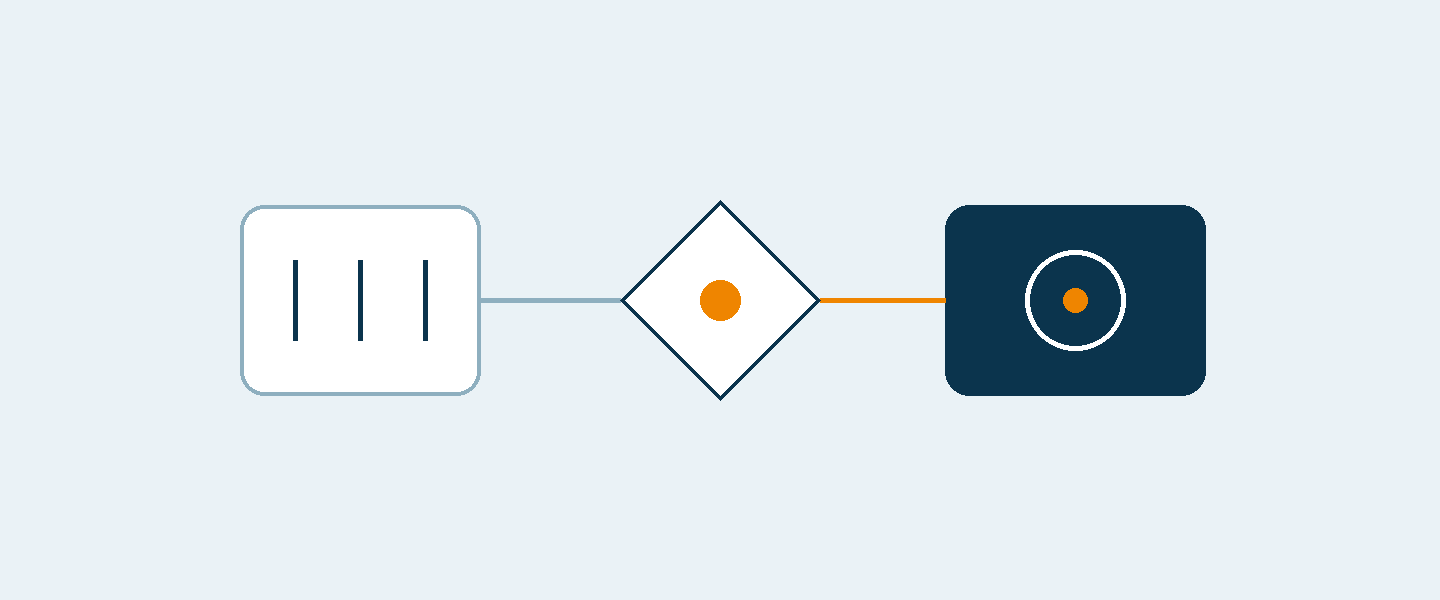
Portfolio

Portfolio

LAYER 02

Turn approved direction into a visible, risk-aware flow of AI initiatives and shared enablement investments.

Evidence back: Outcome, economics, readiness, capacity, dependency and risk evidence supports prioritization and investment choices.
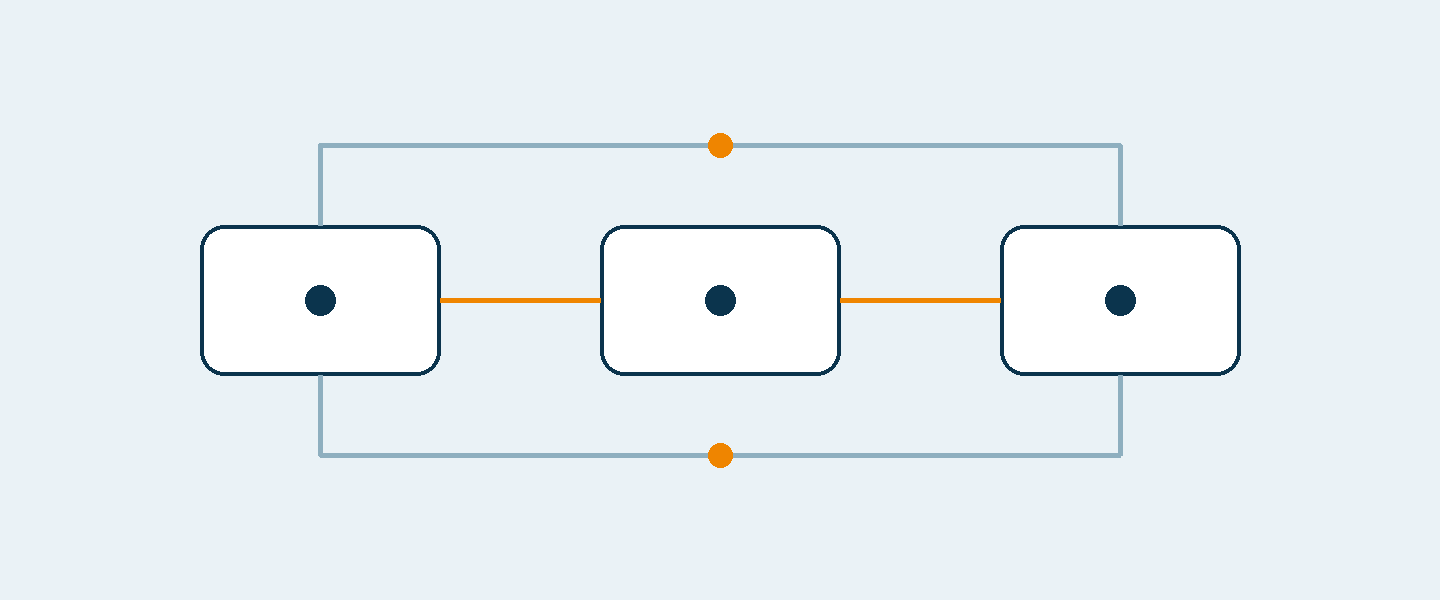
Value Stream

Value Stream

LAYER 03

Design the end-to-end flow of customer or business value across teams, agents, systems, decisions and human handoffs.

Evidence back: Flow, outcome, handoff, context and control evidence connects portfolio intent to coherent delivery.

Agentic Networks

Agentic Networks

LAYER 04

Coordinate multiple teams and shared capabilities so agentic work delivers coherent value within approved boundaries.

Evidence back: Cross-team dependencies, intervention cases, evaluation, runtime health and guardrail application guide coordinated improvement.
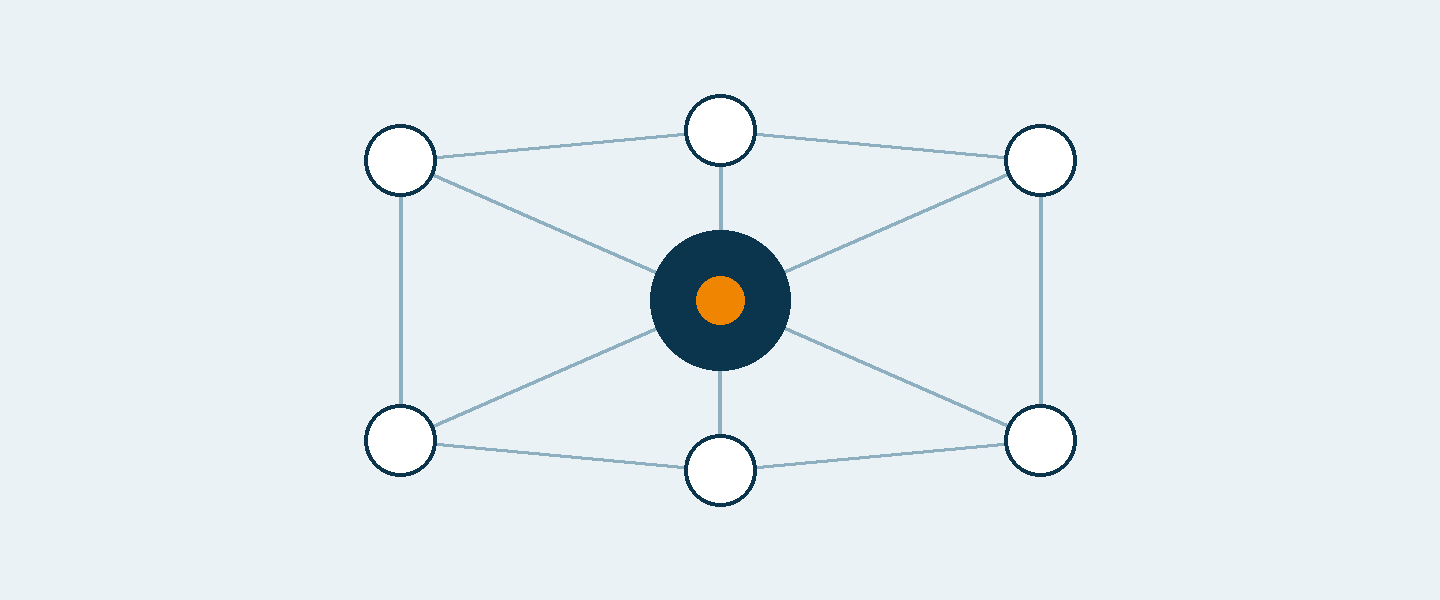
Teams

Teams

LAYER 05

Build, operate and improve AI-enabled products and workflows through named human responsibilities.

Evidence back: Delivery, runtime, evaluation, intervention, experience and exception evidence informs local action and escalation.

Design delegated work

Clarify ownership, delegated work, authority, shared controls, human judgment and service responsibility.

Six questions before you delegate.

Clarify ownership, delegated work, authority, shared controls, human judgment and service responsibility.

  1. Who owns the relevant business or service outcome?
  2. Which work may be delegated?
  3. What authority may the agent exercise?
  4. Which shared controls must surround that authority?
  5. Where must human judgment enter?
  6. Who operates and retires the service?

Capability is not authority.

An agent’s technical ability to perform an action does not authorise that action. A named human remains accountable for the relevant outcome. Define authority separately from the human-control configuration.

What orchestration must do

Agentic orchestration is an execution capability with seven responsibilities. It does not automatically inherit business authority or accountability.

  • Plan
  • Delegate
  • Preserve Context
  • Sequence / Parallelize
  • Monitor Progress
  • Handle Exceptions
  • Close

Design around responsibility, context and authority.

Add a separate agent when its authority, information, evaluation, failure handling or lifecycle needs justify a separate boundary. Preserve context, handle exceptions and define how the work closes.

Explore the operating model chapters

AI Authority and Human Control

Treat Assist, Recommend and Act separately from HITL, HOTL and bounded HOOTL at each material decision or action seam.

AI-First Workflows

Redesign how work, decisions, handoffs, roles and controls operate when AI can contribute within defined boundaries.

Agent and Service Lifecycle Governance

Keep purpose, ownership, authorization and evidence current from creation through final retirement.

Agentic Orchestration

Coordinate agents, tools, people and systems toward a shared operating objective inside approved boundaries.

Agentic Value Streams

Connect AI participation to the complete flow of customer or business value, including decisions, actions, handoffs and outcomes.

Cadence and Evidence Design

Turn current evidence into decisions and learning through existing enterprise and delivery rhythms.

Context Continuity Across Agentic Work

Give each receiving actor the minimum governed context needed to continue the task safely and effectively.

Decision Flows

Make the authority, evidence, human-control and action path of each material decision explicit.

How the Agentic AI Operating Model Works

Connect approved enterprise intent to coordinated execution across Strategy, Portfolio, Value Stream, Agentic Networks and Teams.

Human-Agent Roles and Accountability

Make outcome ownership, delegated work, AI authority, shared controls, human judgment and service lifecycle responsibility explicit.

Monitoring, Exceptions and Continuous Feedback

Interpret operating signals, investigate meaningful changes and route authorized improvements to their owners.

Multi-Agent Coordination and System-Level Controls

Keep the complete chain of agent, tool, orchestrator and system contributions bounded, attributable and controllable.

The Agentic Networks Layer

Synchronize multiple teams, agents and shared capabilities around a common value stream.

The Enterprise AI Control Plane

Provide shared technical enforcement for agent identity, registration, permissions, runtime policy, evidence, limits and intervention.

The Portfolio Layer

Manage a visible, risk-aware flow of AI initiatives and shared capability investments within approved enterprise direction.

The Strategy Layer

Convert enterprise strategy into an approved operating envelope for AI, with direction, boundaries and human accountability.

The Teams Layer

Build, operate and improve AI-enabled products and workflows through one integrated backlog and explicit human responsibilities.

The Value Stream Layer

Design how customer or business value moves end to end across teams, agents, systems, decisions and human handoffs.

The Workflow-Orchestrator Bridge

Translate the intended operating design into coordinated, permitted execution.

Workflow Performance and Continuous Improvement

Use operational, AI-control and outcome evidence together to decide whether redesign improved the whole workflow.

bottom of page